
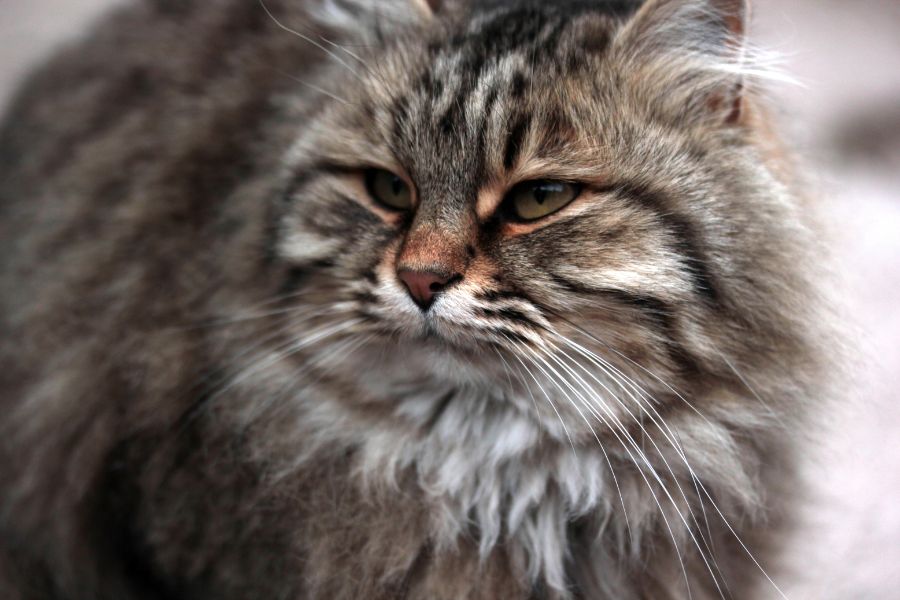
Many cats become stressed during animal hospital visits, and the anxiety often begins before they even leave home. Carrier rides, loud noises, unfamiliar smells, and busy waiting rooms may lead to hiding, panting, vocalizing, aggression, changes in appetite, or other stress-related behaviors.
Cat-only spaces are designed to reduce many of these triggers by providing quieter environments, feline-focused handling, and calmer exam experiences, thereby improving comfort and care.
If you’re a pet owner in Montgomery, this blog is especially for you. Learning how stress affects cats, and how lower-stress visits can help, may make future appointments easier for both you and your cat. Understanding stress signals early may help make future visits easier for both you and your cat.
Hiding Behaviors Often Increase During Visits
Cats naturally hide discomfort and anxiety whenever they feel unsafe. Many stressed cats immediately retreat to the back of the carrier or attempt to avoid interaction during appointments.
Fear responses vary depending on personality, previous experiences, and environmental triggers.
Common Hiding Behaviors Owners Notice
- Turning away from people: Cats may avoid eye contact when anxious.
- Curling tightly inside carriers: Fear often increases protective body posture.
- Trying to escape handling: Sudden movement may signal panic.
- Freezing during interaction: Some cats become unusually still when overwhelmed.
Calmer exam spaces often help reduce these defensive behaviors over time.
Loud Sounds Can Trigger Sudden Anxiety Quickly
Cats rely heavily on their senses to evaluate safety. Loud barking, busy waiting rooms, and unfamiliar sounds may quickly increase stress levels.
Noise sensitivity is one reason cat-only environments can feel less overwhelming for many feline patients.
Signs Noise May Be Increasing Stress Levels
- Flattened ears: Cats often pin their ears backward during fear responses.
- Wide pupils: Anxiety may trigger noticeable pupil dilation.
- Rapid breathing: Stress can quickly change breathing patterns.
- Tail flicking: Irritation or overstimulation may increase tail movement.
Quiet surroundings may help cats remain calmer during wellness exams and diagnostic visits.
Appetite Changes Sometimes Follow Stressful Visits
Stress affects more than behavior alone. Some cats lose interest in food before or after appointments due to anxiety and overstimulation.
Cats sensitive to environmental changes may take several hours to relax again afterward.
Eating Changes Worth Monitoring Closely
- Skipping meals afterward: Anxiety can temporarily reduce appetite.
- Hiding near food bowls: Stress may change feeding routines.
- Reduced water intake: Nervous cats occasionally drink less.
- Digestive upset: Stress can affect stomach comfort and digestion.
Animal care teams often discuss stress-related changes in eating during wellness evaluations.
Aggressive Reactions Often Signal Fear Instead
Hissing, swatting, or growling can feel alarming for owners, though fear is usually the main trigger behind these reactions.
Cats experiencing high stress levels often react defensively when they feel trapped or overstimulated.
Defensive Behaviors Often Linked To Stress
- Growling during handling: Fear may increase protective reactions.
- Swatting unexpectedly: Overstimulation sometimes causes sudden reactions.
- Tense body posture: Stiff muscles often signal discomfort or fear.
- Vocalizing loudly: Anxiety may increase meowing or yowling.
Cat-focused exam environments often reduce overstimulation and improve comfort during handling.
Familiar Surroundings Help Cats Feel More Secure
Cats depend heavily on routine and predictable environments. Strong smells, unfamiliar animals, and crowded waiting rooms may quickly increase anxiety levels.
Cat-only spaces often remove several common stress triggers found in traditional animal hospitals.
Features That Often Help Reduce Feline Stress
- Quieter waiting areas: Reduced noise may improve relaxation.
- Cat-focused exam rooms: Familiar handling approaches support comfort.
- Separate feline spaces: Fewer interactions with dogs may reduce fear.
- Calmer appointment flow: Reduced stimulation often improves behavior.
Stress reduction matters not only for comfort but also for more accurate wellness evaluations and diagnostic testing.
Stress Sometimes Affects Physical Health Too
Anxiety may influence heart rate, breathing, appetite, and even physical examination results during appointments.
Cats experiencing high stress often appear physically tense, making exams more challenging.
Physical Signs Stress May Be Affecting Cats
- Panting during travel: Severe stress sometimes affects breathing.
- Excessive shedding: Anxiety may trigger sudden fur release.
- Vomiting after appointments: Stress occasionally affects digestion.
- Muscle tension: Fear often causes physical stiffness.
Reducing stress during appointments may help improve both comfort and examination accuracy.
The Cat Clinic at Orchard Road Animal Hospital continues focusing on feline wellness care, diagnostic services, dental evaluations, and cat-focused appointment experiences designed to support calmer, lower-stress visits for cats and their families.
Carrier Training Can Reduce Future Anxiety Levels
Many cats associate carriers only with stressful travel or appointments. Gradual carrier training at home may help reduce anxiety before future visits.
Positive associations often make transportation less overwhelming over time.
Helpful Ways To Improve Carrier Comfort
- Leave carriers accessible: Familiarity may reduce fear responses.
- Use favorite blankets: Familiar scents help many cats relax.
- Offer treats nearby: Positive reinforcement supports comfort.
- Practice short rides: Gradual exposure may reduce travel anxiety.
Preparation before appointments often improves the entire visit experience.
Lower Stress Helps Cats Receive Better Care
Calmer cats often tolerate exams, diagnostics, and handling more comfortably. Reduced stress may also help animal care teams better evaluate behavior, breathing, mobility, and overall health.
Creating lower-stress experiences supports both emotional comfort and physical wellness during appointments.
Why Lower-Stress Visits Matter For Cats
- Improved exam accuracy: Relaxed cats often cooperate more easily.
- Reduced fear over time: Positive visits may improve future appointments.
- Better recovery afterward: Lower stress may improve post-visit adjustment.
- Health monitoring becomes easier: Calm behavior supports clearer evaluations.
Comfort-focused care can make a meaningful difference for many feline patients.
Helping Cats Feel More Relaxed During Visits
Cats respond strongly to noise, smells, movement, and unfamiliar surroundings. Stress during appointments may affect behavior, appetite, breathing, and overall comfort more than many owners realize. Cat-only spaces help reduce common triggers while supporting calmer wellness visits, diagnostic evaluations, dental care, and routine monitoring for feline patients.
Creating Calmer Visits For Nervous Cats
If you’re in Montgomery and searching for a veterinarian near you that focuses on feline comfort, quieter exam spaces, and cat-focused care, which may help improve your cat’s appointment experience. Book an appointment with The Cat Clinic at Orchard Road Animal Hospital to discuss wellness exams, dental care, diagnostic testing, and how our team can help make your cat’s visits calmer and lower-stress.
Frequently Asked Questions(FAQs):
1. Why do cats act differently during appointments?
A: Cats often react strongly to unfamiliar smells, sounds, movement, and handling. Stress may cause hiding, vocalizing, freezing, aggression, or changes in breathing during appointments.
2. Can stress affect a cat’s physical health temporarily?
A: Yes. Anxiety may increase heart rate, affect appetite, trigger digestive upset, and even change physical examination results during stressful appointments or travel situations.
3. Why do some cats pant during car rides?
A: Panting in cats often signals severe stress or anxiety during transportation. Loud noises, unfamiliar surroundings, and motion sensitivity may contribute to the reaction.
4. How do cat-only spaces help nervous cats?
A: Cat-focused spaces usually reduce barking noises, crowded waiting areas, and overstimulation, helping many feline patients feel calmer and more comfortable during visits.
5. Why does my cat hide after returning home?
A: Cats sometimes need quiet recovery time after stressful outings. Hiding behavior may help them feel secure again as they adjust to familiar surroundings.
Book Pet Appointment