

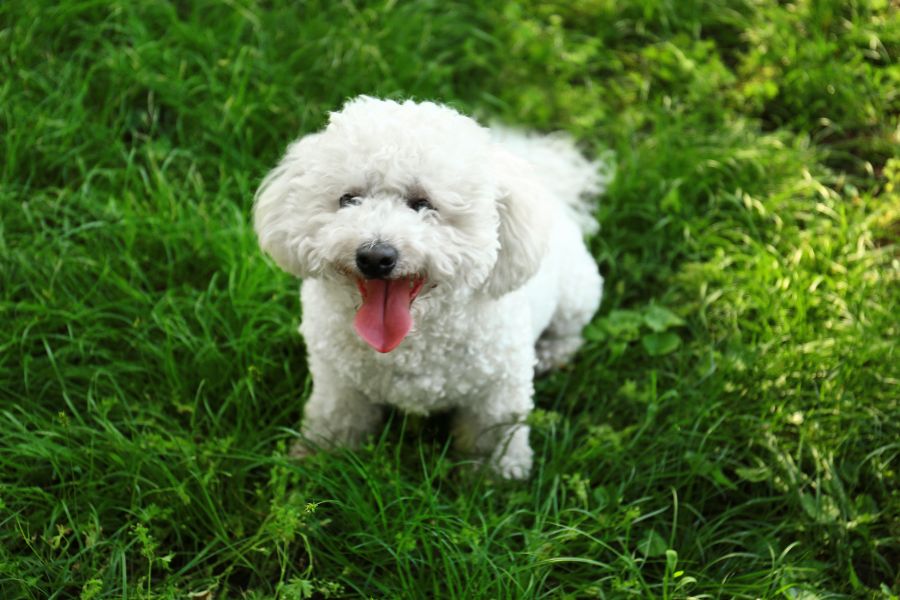
Caring for a Bichon Frise requires attention to grooming, nutrition, and daily activity. Known for their fluffy white coats and playful personalities, this breed thrives when given proper care and routine. In this guide, you’ll learn everything you need to know about Bichon Frise care, including grooming schedules, diet recommendations, and exercise tips to keep your dog healthy and happy.
What Makes the Bichon Frise Unique?
The Bichon Frise is a small, cheerful dog breed known for its curly coat and affectionate nature. These dogs are highly social and form strong bonds with their owners, making them excellent family pets.
Key traits of the Bichon Frise include:
- Hypoallergenic coat, ideal for allergy-sensitive households
- Friendly and playful temperament
- Moderate energy levels
- High grooming needs
Because of their unique coat and personality, proper Bichon Frise care requires consistency and attention to detail.
Grooming Tips for a Bichon Frise
Why Grooming Is Essential
One of the most important aspects of Bichon Frise care is grooming. Their soft, curly coat does not shed much, but it can easily become matted if not maintained properly.
Daily and Weekly Grooming Routine
To keep your dog’s coat healthy and clean, follow this routine:
- Brush daily: Prevent tangles and mats using a slicker brush
- Comb thoroughly: Focus on areas like behind the ears and under the legs
- Wipe eyes daily: Tear staining is common in Bichon Frises
- Check ears weekly: Clean gently to prevent infections
Professional Grooming
Plan to take your Bichon Frise to a professional groomer every 4 to 6 weeks. A typical grooming session includes:
- Bathing and conditioning
- Hair trimming and shaping
- Nail trimming
- Ear cleaning
Regular grooming not only keeps your dog looking great but also supports skin health and comfort.
Best Diet for a Healthy Bichon Frise
Nutritional Needs
A balanced diet is critical for maintaining your Bichon Frise’s energy and coat health. These dogs can be prone to allergies and sensitivities, so choosing the right food matters.
What to Feed Your Bichon Frise
Look for high-quality dog food with:
- Lean protein sources like chicken or fish
- Healthy fats for skin and coat health
- Limited fillers such as corn or soy
- Added vitamins and minerals
Feeding Guidelines
Here are some general feeding tips:
- Feed small portions 2 to 3 times per day
- Avoid overfeeding to prevent obesity
- Provide fresh water at all times
Foods to Avoid
Certain foods can harm your Bichon Frise, including:
- Chocolate
- Grapes and raisins
- Onions and garlic
- Fatty table scraps
If your dog shows signs of food allergies like itching or digestive issues, consult your veterinarian for dietary adjustments.
Exercise Needs of a Bichon Frise
How Much Exercise Do They Need?
Although small, the Bichon Frise is an active and playful breed. Daily exercise is important for both physical and mental health.
Aim for:
- 20 to 30 minutes of walking each day
- Interactive play sessions at home
- Mental stimulation through toys and training
Fun Activities for Your Bichon Frise
Keep your dog engaged with activities like:
- Fetch or tug-of-war
- Puzzle toys
- Basic obedience training
- Social play with other dogs
Regular exercise helps prevent boredom, which can lead to unwanted behaviors like barking or chewing.
Common Health Concerns in Bichon Frises
Like all breeds, the Bichon Frise is prone to certain health issues. Being aware of these conditions can help you take preventive steps.
Common concerns include:
- Skin allergies
- Dental disease
- Ear infections
- Patellar luxation
Preventive Care Tips
- Schedule regular vet checkups
- Maintain dental hygiene with brushing or dental treats
- Keep up with vaccinations and parasite prevention
- Monitor for changes in behavior or appetite
Early detection and routine care are key to keeping your dog healthy.
Training and Socialization Tips
Why Training Matters
The Bichon Frise is intelligent and eager to please, making training relatively easy. However, consistency is important.
Effective Training Strategies
- Use positive reinforcement like treats and praise
- Keep sessions short and engaging
- Start socialization early
- Be patient and consistent
Proper training helps your dog develop good manners and strengthens your bond.
Creating a Comfortable Living Environment
Your Bichon Frise thrives in a loving and safe environment. Because they are companion dogs, they prefer to be around people rather than left alone for long periods.
Tips for a Happy Home
- Provide a cozy sleeping area
- Keep toys available for mental stimulation
- Maintain a consistent daily routine
- Avoid long periods of isolation
A stable environment supports emotional well-being and reduces anxiety.
Caring for a Bichon Frise involves a balanced approach to grooming, nutrition, and exercise. With regular brushing, a healthy diet, and daily activity, your dog can live a long and happy life. Staying consistent with routine care and vet visits ensures your furry companion remains healthy at every stage.
If you need personalized guidance for your pet, the team at Orchard Road Animal Hospital in Montgomery, IL, is here to help. Schedule an appointment today to give your Bichon Frise the expert care they deserve.
FAQs
Q1: How often should a Bichon Frise be groomed?
Ans: A Bichon Frise should be professionally groomed every 4 to 6 weeks, with daily brushing at home to prevent matting.
Q2: What is the best food for a Bichon Frise?
Ans: High-quality dog food with lean protein, healthy fats, and minimal fillers is ideal for maintaining their health and coat.
Q3: How much exercise does a Bichon Frise need daily?
Ans: They need about 20 to 30 minutes of exercise daily, along with playtime and mental stimulation.
Q4: Are Bichon Frises good for people with allergies?
Ans: Yes, their hypoallergenic coat produces less dander, making them suitable for many allergy-sensitive individuals.
Q5: What are common health problems in Bichon Frises?
Ans: Common issues include allergies, dental disease, ear infections, and joint problems like patellar luxation.
Book Pet Appointment