

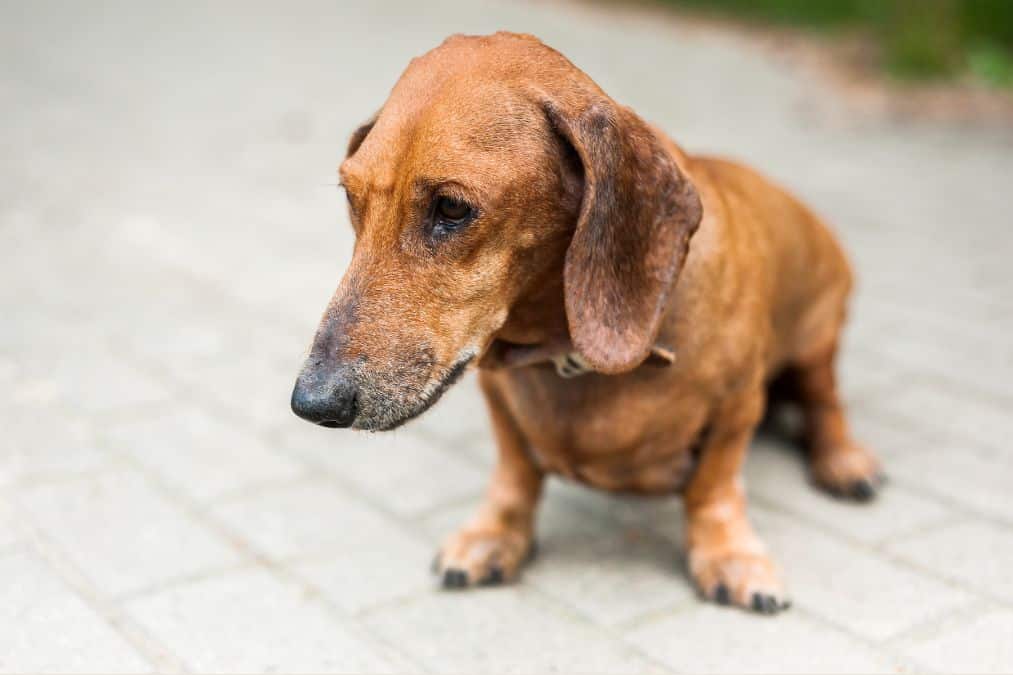
Intervertebral Disc Disease (IVDD) in dogs is one of the most common spinal conditions affecting canine mobility and comfort. It occurs when the discs that cushion the vertebrae become damaged, bulge, or rupture, placing pressure on the spinal cord.
This condition can cause pain, weakness, difficulty walking, and, in severe cases, paralysis. Some breeds face a higher risk, though IVDD can affect dogs of any size or age. Understanding the causes, symptoms, diagnosis, treatment options, and recovery process can help pet owners recognize problems early and seek timely care.
This guide explains everything you need to know about IVDD in dogs, including prevention strategies and long-term management for a better quality of life.
What Is IVDD in Dogs?
Intervertebral Disc Disease is a spinal condition that affects the discs located between the vertebrae. These discs act as shock absorbers, helping the spine move comfortably during everyday activities.
When a disc degenerates, bulges, or ruptures, it can compress the spinal cord and nearby nerves. The resulting pressure may lead to pain, inflammation, nerve damage, and mobility issues.
IVDD is one of the most frequently diagnosed spinal disorders in dogs and often requires prompt medical attention to prevent worsening symptoms.
How Do Intervertebral Discs Work?
The spine consists of vertebrae separated by discs. Each disc contains:
1. Outer Layer
A tough outer ring that provides structure and stability.
2. Inner Core
A softer, gel-like center that absorbs impact and supports movement.
Healthy discs allow flexibility while protecting the spinal cord. When degeneration occurs, the disc can lose its cushioning ability and become more prone to injury.
What Causes IVDD in Dogs?
Several factors contribute to Intervertebral Disc Disease in dogs.
1. Breed Predisposition
Certain breeds are genetically more likely to develop IVDD. These include:
- Dachshund
- Beagle
- French Bulldog
- Cocker Spaniel
- Pekingese
- Shih Tzu
2. Age-Related Degeneration
As dogs age, spinal discs naturally lose moisture and elasticity, making them more susceptible to injury.
3. Physical Trauma
Falls, rough play, jumping from heights, or accidents may trigger disc damage.
4. Excess Weight
Obesity places additional stress on the spine and can increase the risk of spinal problems.
Common Symptoms of IVDD in Dogs
Symptoms vary depending on the severity and location of the disc injury.
1. Early Signs
- Neck or back pain
- Reluctance to jump or climb stairs
- Stiffness
- Sensitivity when touched
- Reduced activity
2. Moderate Symptoms
- Wobbling while walking
- Weakness in the limbs
- Difficulty standing
- Loss of coordination
3. Severe Symptoms
- Inability to walk
- Dragging limbs
- Loss of bladder control
- Loss of bowel control
- Paralysis
Any sudden change in mobility should be evaluated as soon as possible.
Types of IVDD in Dogs
1. Hansen Type I
This form involves a sudden disc rupture. It is common in smaller breeds with long backs and can cause rapid symptom progression.
2. Hansen Type II
This type develops gradually as discs bulge over time. It is more often seen in larger and older dogs.
Both forms can affect a dog’s ability to move comfortably and may require medical intervention.
How Is IVDD Diagnosed?
A thorough examination helps determine the extent of spinal damage.
Diagnostic steps may include:
- Physical examination
- Neurological assessment
- X-rays
- Advanced imaging, such as MRI or CT scans
Advanced imaging provides detailed information about spinal cord compression and helps guide treatment decisions.
Treatment Options for IVDD in Dogs
Treatment depends on symptom severity, overall health, and the degree of spinal cord compression.
1. Conservative Management
Dogs with mild symptoms may benefit from:
- Strict rest
- Anti-inflammatory medications
- Pain management
- Controlled rehabilitation exercises
Following treatment instructions carefully is essential for recovery.
2. Surgical Treatment
Surgery is often recommended when:
- Severe neurological deficits are present
- Walking ability is lost
- Pain remains uncontrolled
- Conservative treatment fails
The goal of surgery is to relieve pressure on the spinal cord and improve long-term function.
Recovery After IVDD Treatment
Recovery times vary significantly among dogs.
Factors influencing recovery include:
- Severity of the condition
- Speed of diagnosis
- Treatment method
- Overall health status
Many dogs regain mobility with proper treatment and rehabilitation. Physical therapy, controlled exercise, and regular follow-up appointments support healing and help reduce future complications.
Pet owners should closely monitor progress and communicate any concerns with their care team.
Can IVDD Be Prevented?
While genetics cannot be changed, several strategies may reduce risk.
1. Maintain a Healthy Weight
Proper nutrition helps minimize stress on the spine.
2. Limit High-Impact Activities
Disc injuries can occur when dogs repeatedly jump on and off furniture or navigate steep stairs.
3. Use Supportive Equipment
Ramps and steps can reduce strain on the back.
4. Schedule Routine Wellness Visits
Regular examinations and pet preventive care can help identify health concerns before they become more serious.
Long-Term Outlook for Dogs With IVDD
Many dogs diagnosed with Intervertebral Disc Disease continue to enjoy active and fulfilling lives. Early recognition, accurate diagnosis, and appropriate treatment often lead to better outcomes.
Some dogs may require ongoing management, including weight control, exercise modification, rehabilitation, and periodic evaluations. Pet owners who remain proactive can often help their dogs maintain mobility and comfort for years after diagnosis.
FAQs About IVDD in Dogs
1. What are the first signs of IVDD in dogs?
A: Early signs often include back pain, stiffness, reluctance to jump, difficulty climbing stairs, reduced activity, and sensitivity when touched. Symptoms may appear gradually or suddenly, depending on the type of disc disease.
2. Is IVDD in dogs an emergency?
A: IVDD can become an emergency when a dog develops severe pain, weakness, inability to walk, or loss of bladder and bowel control. Immediate medical evaluation can improve the chances of a successful outcome.
3. Can a dog recover from IVDD without surgery?
A: Some dogs with mild to moderate symptoms recover successfully through rest, medication, and rehabilitation. Recovery depends on the severity of spinal cord compression and how quickly treatment begins.
4. Which dog breeds are most likely to develop IVDD?
A: Dachshunds, French Bulldogs, Beagles, Cocker Spaniels, Pekingese, and Shih Tzus are among the breeds most commonly affected. Their body structure and genetic predisposition increase the likelihood of disc degeneration.
5. How long does IVDD recovery take in dogs?
A: Recovery may take several weeks to several months. Treatment type, severity of injury, age, and overall health all influence healing time and long-term mobility outcomes.
6. Can IVDD come back after treatment?
A: Yes, IVDD can recur in some dogs, particularly those with a genetic predisposition. Weight management, activity modifications, rehabilitation, and regular health evaluations can help lower the risk of future episodes.
Book Pet Appointment
Review Us!
Orchard Road Animal Hospital