

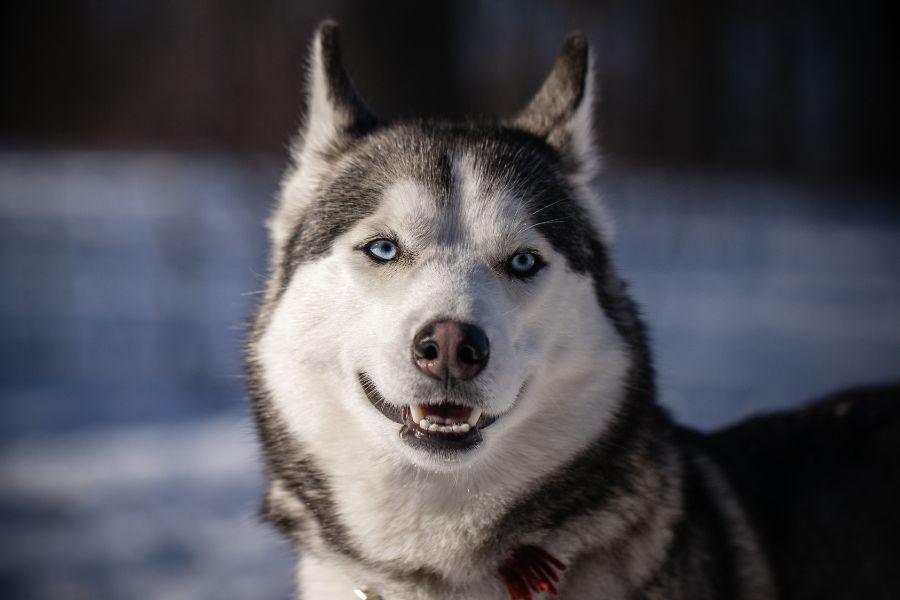
A Siberian Husky is built for cold weather, long distances, and an active lifestyle. With their thick double coat, strong bodies, and seemingly endless energy, it is easy to assume that Huskies are happiest living outdoors.
But does outdoor living actually help a Husky live longer?
The answer is more complicated than simply choosing between an indoor or outdoor lifestyle. A Husky’s lifespan depends on genetics, nutrition, exercise, preventive care, weight, living conditions, and access to safe shelter. The environment matters too. An outdoor lifestyle can expose a Husky to heat, parasites, injuries, toxins, and other hazards that are less common indoors. At the same time, keeping a Husky inside all day without enough physical activity or mental stimulation can create its own problems.
So, if your goal is to help your Husky live a long, healthy life, what living arrangement makes the most sense?
For most Huskies, a primarily indoor lifestyle with plenty of daily outdoor exercise and enrichment offers the best balance of safety, comfort, and quality of life.
How Long Do Huskies Live?
A healthy Siberian Husky typically lives about 12 to 14 years, although some live longer when they have good genetics and consistent care.
That number is not a guarantee. Two Huskies of the same age can have very different health needs and risks. Some develop chronic conditions early, while others remain active well into their senior years.
Several factors can influence how long a Husky lives, including:
- Genetic health
- Body weight
- Diet and nutrition
- Daily exercise
- Dental health
- Preventive health care
- Parasite protection
- Injury prevention
- Living environment
- Access to safe shelter
- Mental stimulation
Where a Husky lives is only one part of the picture, but it can affect several of these factors at once.
Does Indoor Living Help Huskies Live Longer?
For most Huskies, living primarily indoors can reduce exposure to many preventable dangers.
This does not mean your Husky should spend every hour inside. Huskies need regular exercise and time outdoors. The key difference is that outdoor time is supervised and purposeful rather than leaving the dog outside for most of the day and night.
Indoor Living Reduces Exposure to Extreme Heat
One of the biggest misconceptions about Huskies is that their thick coat means they can comfortably tolerate any weather.
Huskies are well adapted to cold conditions, but that does not make them immune to heat.
Their dense double coat provides insulation, but hot and humid weather can still put them at risk of overheating. This is especially important during summer in many parts of the United States.
An indoor environment gives you much better control over temperature. During hot weather, your Husky can rest in a cool area, drink fresh water, and avoid prolonged exposure to direct sunlight.
Outdoor exercise can still happen, but timing matters. Early morning and evening walks are often safer during periods of high heat.
Indoor Dogs Face Fewer Environmental Hazards
A Husky that spends most of its time outside can encounter hazards that are difficult to control.
These may include:
- Toxic plants
- Rodent bait
- Lawn chemicals
- Sharp objects
- Contaminated water
- Wild animals
- Traffic
- Unfamiliar dogs
- Insects and parasites
- Extreme weather
Some Huskies are also skilled escape artists. Their intelligence, athletic ability, and curiosity can turn an unsecured yard into an opportunity for adventure.
A secure fence helps, but it does not eliminate every risk.
Indoor Living Makes Health Changes Easier to Notice
When your Husky lives inside with you, you are more likely to notice subtle changes in behavior.
Maybe your dog starts drinking more water. Perhaps they stop jumping onto the couch, sleep more than usual, eat less, or become less interested in their normal activities.
These changes can be easy to overlook when a dog spends most of its time outside.
Early recognition matters because many health problems are easier to manage when they are identified before they become advanced.
Routine wellness care can also help track changes in weight, mobility, dental health, and overall condition as your Husky ages.
Can Outdoor Living Be Healthy for a Husky?
Outdoor time is absolutely important for Huskies. Living outdoors full-time is a different matter.
Huskies were bred for endurance and activity. They need opportunities to walk, run, explore, sniff, play, and solve problems. A large yard can provide valuable space, but simply putting a Husky outside does not automatically meet those needs.
A Husky may spend hours in a backyard and still be under-stimulated.
Exercise Is More Than Yard Time
Huskies often need structured activity in addition to access to a yard.
Depending on age, health, and fitness level, activities can include:
- Brisk walks
- Hiking
- Running with appropriate conditioning
- Fetch
- Training games
- Scent-based activities
- Puzzle feeders
- Supervised play
- Canicross or other dog sports when properly conditioned
A Husky that receives enough exercise and mental stimulation is less likely to become frustrated or develop destructive habits.
Outdoor Living Does Not Automatically Make a Husky Happier
Imagine being given access to a huge yard but having little interaction with your family. Now compare that with spending time inside with your people, followed by long walks, outdoor play, and training.
For many Huskies, the second option provides much more enrichment.
Huskies are social dogs. They often form strong bonds with their families and enjoy being involved in daily activities.
An outdoor kennel or yard cannot replace regular human interaction.
Indoor vs. Outdoor Husky Living: What Is the Difference?
The biggest differences involve safety, temperature control, exercise, social interaction, and monitoring.
| Factor | Primarily Indoor | Primarily Outdoor |
| Temperature control | Easier | More difficult |
| Heat exposure | Lower with proper cooling | Higher |
| Traffic and escape risk | Lower | Higher |
| Parasite exposure | Reduced but not eliminated | Often higher |
| Human interaction | Usually greater | Can be limited |
| Health monitoring | Easier | Changes may be missed |
| Exercise needs | Must be planned | Yard access may not be enough |
| Mental stimulation | Depends on owner | Depends on environment |
| Weather exposure | Limited | Greater |
| Safety | Generally easier to manage | Requires careful planning |
This comparison does not mean every outdoor activity is dangerous. It means the owner has more environmental factors to manage when a Husky spends most of its life outside.
What About a Husky’s Coat?
A Husky’s coat is one of its most recognizable features, and it is designed to provide insulation.
That does not mean you should shave the coat during summer. A Husky’s coat helps regulate body temperature and protects the skin.
Regular brushing is a better approach. It removes loose undercoat, reduces matting, and helps you check the skin for abnormalities.
During seasonal shedding, Huskies can lose a surprising amount of fur. Frequent brushing can make this easier to manage while allowing the coat to perform its natural function.
Bathing should be done as needed rather than excessively. Too much bathing can dry the skin.
Cold Weather Does Not Make Outdoor Living Risk-Free
Huskies generally handle cold temperatures better than many other breeds, but cold-weather tolerance still has limits.
Age, illness, body condition, wind, wetness, and access to shelter can all affect how well a dog handles cold weather.
A young, healthy Husky may happily play in snow, while an older Husky with stiff joints may need shorter outdoor sessions.
A Husky living outdoors needs access to:
- Dry, weather-protected shelter
- Fresh, unfrozen water
- Protection from wind and precipitation
- Safe and secure surroundings
- Regular human interaction
- Appropriate food and nutrition
Even when the temperature is comfortable, leaving a dog outside for long periods without social interaction is not an ideal substitute for family time.
How Exercise Affects Husky Longevity
Exercise has a major role in keeping a Husky healthy.
Regular physical activity helps support a healthy body weight, muscle strength, cardiovascular fitness, coordination, and mental well-being.
But more exercise is not always better.
Puppies have developing bones and joints, so forced running and intense repetitive activity can be inappropriate. Senior Huskies may need more gentle activities because stiffness or age-related changes can affect mobility.
The goal is age-appropriate activity, not exhausting your dog every day.
Watch how your Husky responds after exercise. Persistent soreness, limping, reluctance to move, or a major change in stamina deserves attention.
Weight Matters More Than Many Husky Owners Realize
Because Huskies are naturally athletic, it can be easy to assume that an active dog cannot become overweight.
That is not always true.
Extra body weight puts additional stress on joints and can make exercise harder. Maintaining a healthy body condition helps your Husky move comfortably and stay active throughout life.
Portion sizes should be based on factors such as age, activity level, body condition, and individual needs rather than simply following a general feeding amount.
Treats count too.
If your Husky is getting plenty of treats during training, those calories should be considered as part of the overall daily intake.
Mental Stimulation Can Influence Quality of Life
A long life is important, but quality of life matters just as much.
Huskies are intelligent working dogs. They often enjoy having something to figure out.
Mental activities can include:
- Learning new commands
- Food puzzles
- Hide-and-seek games
- Scent games
- Trick training
- Finding hidden treats
- Rotating toys
- Exploring new walking routes
These activities can be especially helpful for indoor Huskies who may not have access to large outdoor spaces.
You do not need an enormous yard to give a Husky an interesting life. You need regular interaction and opportunities to use both their body and brain.
What Is the Best Lifestyle for a Longer Husky Life?
For most families, the ideal setup is not strictly “indoor” or “outdoor.”
It is a combination of indoor living and safe, active outdoor time.
Your Husky can sleep and relax indoors while getting daily walks, play sessions, training, and supervised outdoor exploration.
This arrangement offers several advantages:
- Better protection from extreme temperatures
- Closer monitoring of health and behavior
- More interaction with family members
- Lower exposure to certain outdoor hazards
- Regular opportunities for exercise
- More control over diet and routine
- A safer place to rest and recover
The exact routine will depend on your Husky’s age, health, personality, and environment.
A young Husky may need more physical activity than a senior. A Husky living in a hot climate may need a different exercise schedule than one living in a colder region.
Signs Your Husky’s Lifestyle May Need to Change
Pay attention if you notice changes such as:
- Excessive weight gain or weight loss
- Constant restlessness
- Destructive behavior
- Excessive barking or digging
- Reduced interest in exercise
- Difficulty getting up or climbing stairs
- Heavy panting after mild activity
- Changes in appetite or thirst
- New behavior problems
- Persistent scratching
- Changes in sleep patterns
These signs do not automatically point to a serious health problem. They can also indicate that your Husky’s exercise, diet, environment, or daily routine needs adjustment.
If a change is sudden, persistent, or concerning, have it evaluated rather than assuming it is simply part of getting older.
Conclusion: Indoor Living With Active Outdoor Time Is the Best Balance
A Husky’s thick coat and athletic build make the breed well suited for outdoor activity, but that does not mean a Husky should live outside full-time.
The safest approach for most families is to make the home the dog’s primary living space while providing plenty of supervised outdoor exercise and mental stimulation.
Think of it this way: your Husky needs the outdoors for activity, exploration, and enrichment, but the indoors provides a safer place to rest, stay comfortable, and remain connected with the family.
You cannot control every factor that affects lifespan. Genetics play a role, and health problems can occur even when an owner does everything right. What you can control is your Husky’s daily routine, nutrition, exercise, living conditions, safety, and access to preventive care.
A long, healthy Husky life is not created by choosing indoors over outdoors alone. It comes from building a lifestyle that keeps your dog safe, active, appropriately challenged, well-fed, and closely monitored at every stage of life.
Frequently Asked Questions
1. Do Huskies live longer indoors or outdoors?
Huskies generally benefit from primarily indoor living because it reduces exposure to extreme weather, traffic, toxins, injuries, and other outdoor hazards. Regular outdoor exercise remains essential for their physical and mental health.
2. Can Huskies live outside year-round?
Huskies can tolerate cold weather better than many breeds, but year-round outdoor living still creates risks. Heat, storms, parasites, injuries, escape, and limited human interaction can all affect their well-being. A secure, climate-appropriate environment and regular family interaction are essential.
3. How many years does a Husky usually live?
A Siberian Husky commonly lives around 12 to 14 years. Genetics, nutrition, body condition, exercise, preventive care, and environmental safety can all affect an individual dog’s lifespan.
4. Do Huskies need to run every day?
Huskies need regular physical activity, but running is not required every day. Walking, hiking, play, training, scent games, and other activities can provide exercise. Puppies and senior dogs need activity suited to their age and physical condition.
5. Is a backyard enough exercise for a Husky?
Usually, no. A backyard provides space to move, but many Huskies need structured activities, exploration, training, and interaction with their owners. A large yard does not replace daily engagement.
Book Pet Appointment