
Pet dental pain can be difficult to spot because dogs and cats often hide discomfort. Watch for bad breath, drooling, pawing at the mouth, chewing changes, facial swelling, or reluctance to eat.
This guide explains warning signs, safe steps at home, when your pet needs urgent help, and how professional treatment can relieve pain and protect health. If you are searching for help in Montgomery, knowing what to watch for can help you act sooner.
Why Pet Dental Pain Should Not Be Ignored
A sore mouth affects more than eating. Dental problems may involve damaged teeth, gum inflammation, infection, an object stuck in the mouth, or an injury.
Pets do not always cry or stop eating when their mouths hurt. Some chew on one side, swallow food without chewing, or choose softer foods.
Untreated dental pain can worsen. Prompt attention gives your pet a better chance of comfortable recovery.
7 Signs Your Pet May Have Dental Pain
1. Changes in Eating
Watch for dropping food, chewing slowly, avoiding hard treats, or suddenly preferring soft food. A pet that approaches the bowl but struggles to eat may be experiencing mouth pain.
2. Excessive Drooling
More saliva than usual, especially thick or blood-tinged drool, deserves attention.
3. Bad Breath
Persistent foul breath is not simply a normal part of being a pet. It can point to plaque buildup, gum disease, an infected tooth, or another oral problem.
4. Pawing at the Mouth
Repeated rubbing or pawing around the face can signal irritation or pain.
5. Facial Swelling
Swelling near the cheek, jaw, or under the eye can occur with a painful tooth or infection. This sign should be assessed promptly, especially if it appears suddenly.
6. Behavior Changes
A pet in pain may become quiet, restless, defensive, or less interested in affection. A normally social dog or cat may avoid being touched around the head.
7. Visible Mouth Problems
Broken teeth, red gums, bleeding, ulcers, unusual growths, or a loose tooth can indicate a problem. Never force the mouth open if your pet resists.
When Does Dental Pain Need Urgent Help?
Seek urgent care if your pet has facial swelling, active mouth bleeding, severe pain, difficulty swallowing, trouble breathing, or sudden inability to eat or drink.
A mouth injury can also require immediate attention, particularly when a tooth has broken or an object is lodged in the mouth.
If you are unsure how serious the problem is, contacting a pet care professional can help you decide what to do next. You can also look for urgent care for pets when regular appointments are not appropriate for a sudden problem.
What You Can Do Before Getting Help
Keep your pet calm and prevent chewing on hard toys, bones, or other objects. Offer fresh water if your pet can drink comfortably. Do not squeeze swollen areas or attempt to pull out a lodged object.
Avoid human pain relievers unless a qualified professional specifically tells you to use one. Several common medicines can be dangerous for dogs and cats. Do not apply household gels, oils, or antiseptics to the mouth without guidance.
Take a photo of visible swelling or injury if your pet allows it.
How Pet Dental Pain Is Treated
Treatment depends on the cause and severity. A professional may examine the mouth, assess the teeth and gums, and recommend dental imaging when a problem cannot be seen from the surface.
Care may include pain relief, treatment for infection, cleaning, repair of a damaged tooth, or removal of a tooth that cannot be saved.
Ask about recommended care, expected recovery, feeding instructions, and signs that require another visit.
How to Reduce Future Dental Problems
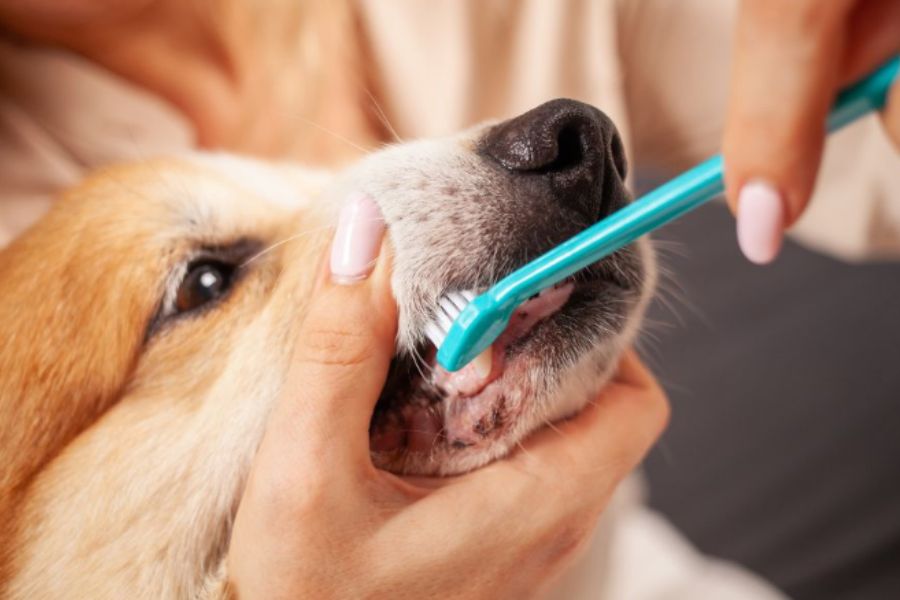
Daily tooth brushing with pet-safe toothpaste is one of the most useful habits for dental health. Regular mouth checks can help you notice changes before they become painful.
Your pet may also benefit from professional dental assessments based on age, health, and individual risk.
Take Action When Your Pet Shows Warning Signs
Pet dental pain deserves attention, even when your pet seems cheerful. Small changes in eating, breath, behavior, or facial appearance can provide valuable clues. Early assessment can identify the cause, control discomfort, and prevent a minor problem from becoming more serious.
If your pet develops sudden oral pain, swelling, bleeding, or difficulty eating, do not wait for the signs to disappear. Call us at (630) 451-8459 for urgent care guidance and timely support.
If you’re located in Montgomery, reach out to Orchard Road Animal Hospital for compassionate care that brings trusted support and community together for your pet’s well-being.
6 Frequently Asked Questions
- Can pets hide dental pain?
Yes. Dogs and cats often continue eating despite oral discomfort. Look for subtle changes such as slower chewing, dropping food, bad breath, drooling, pawing at the mouth, or reduced interest in play.
- How can I tell if my dog’s tooth hurts?
A painful tooth may cause chewing on one side, food dropping, reluctance to eat hard items, facial rubbing, bad breath, drooling, or sensitivity when the head or mouth is touched.
- What can I give my pet for tooth pain?
Do not give human pain medicine unless a qualified professional directs you to do so. Some common medications can seriously harm pets. Ask a professional about safe, pet-specific pain relief and the correct dose.
- Is bad breath a sign of dental disease?
Persistent bad breath can indicate plaque, gum disease, an infected tooth, or another mouth problem. It should not be dismissed as normal, especially when other signs appear or appetite and behavior change.
- When should I seek urgent help for dental pain?
Seek prompt help for facial swelling, bleeding, severe pain, trouble swallowing or breathing, inability to eat or drink, or rapidly worsening symptoms. These signs can indicate a serious oral problem.
- Can dental problems affect a pet’s health?
Yes. Ongoing oral disease can cause persistent pain and inflammation. Treating dental problems early can improve comfort, support normal eating, and help protect your pet’s comfort and quality of life over time.
Book Pet Appointment