

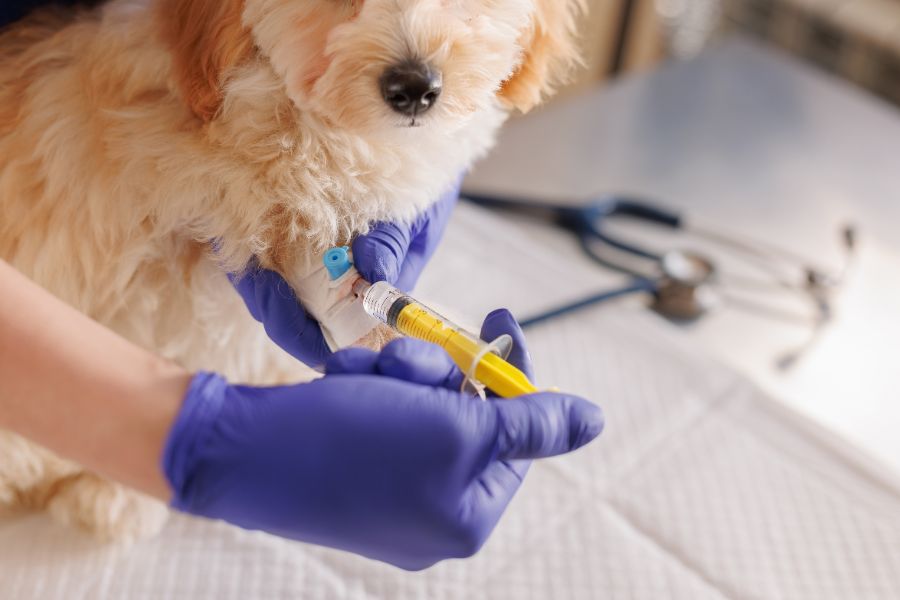
Hearing that your dog or cat needs anesthesia can make even a calm pet owner nervous. Will my pet wake up safely? What happens while they’re asleep? Could their age or health condition make anesthesia dangerous? These are reasonable questions, especially when your pet needs dental work, surgery, or another medical procedure.
The good news is that anesthesia is generally safe for healthy dogs and cats when trained medical teams use appropriate medications, careful monitoring, and individualized safety measures. Still, no anesthetic procedure is completely risk-free. Your pet’s age, overall health, medical history, and the type of procedure all influence their level of risk.
Understanding how pet anesthesia works, what precautions are taken, and what to expect during recovery can help you make informed decisions about your pet’s care.
What Is Anesthesia for Pets?
Anesthesia is a medical process that prevents pets from feeling pain or being aware of certain procedures. It allows medical teams to perform treatments safely while keeping animals comfortable and still.
There are different types of anesthesia, and the choice depends on the procedure and your pet’s individual needs.
General Anesthesia
General anesthesia places your pet in a controlled state of unconsciousness. They do not feel pain or remain aware of the procedure.
It is commonly used for:
- Spaying and neutering
- Dental cleanings and tooth extractions
- Orthopedic surgeries
- Tumor removal
- Abdominal procedures
- Certain diagnostic tests
During general anesthesia, trained staff monitor your pet’s breathing, heart function, temperature, and other important body functions.
Local Anesthesia
Local anesthesia blocks pain in a small area of the body without making the pet unconscious.
It may be used for minor procedures or alongside general anesthesia to provide additional pain relief.
Sedation
Sedation helps pets become calm, relaxed, or sleepy. Depending on the medication and dose, pets may remain partly aware of their surroundings.
Sedation is sometimes appropriate for imaging, minor treatments, or procedures requiring limited movement.
Sedation and general anesthesia are not the same. Both carry risks and require appropriate assessment and monitoring.
How Safe Is Anesthesia for Dogs and Cats?
Modern anesthesia has become safer because of improvements in medications, monitoring equipment, and medical practices.
Most healthy dogs and cats recover without serious complications. However, anesthesia safety depends on more than the medications used.
A large study published in Veterinary Anaesthesia and Analgesia in 2008 reported anesthesia- and sedation-related death rates of approximately 0.05% in healthy dogs and 0.11% in healthy cats. These figures included deaths occurring during anesthesia or sedation and within 48 hours afterward.
The same study found substantially higher risks among animals with existing health problems.
These numbers provide useful context, but they do not predict an individual pet’s outcome. The research also reflects practices from an earlier period, so it should not be treated as a current universal risk estimate.
A pet’s safety depends on factors such as:
- Existing medical conditions
- Heart and lung function
- Kidney and liver health
- Body weight and physical condition
- Type and length of the procedure
- Choice of anesthetic medications
- Quality of monitoring
- Availability of trained medical staff
An individualized anesthetic plan helps reduce preventable complications.
What Are the Risks of Anesthesia in Pets?
Although serious complications are uncommon in healthy animals, pet owners should understand the possible risks.
Breathing Problems
Anesthesia can affect breathing patterns and reduce the body’s ability to maintain normal oxygen levels.
During general anesthesia, medical teams often use a breathing tube to help maintain an open airway and deliver oxygen and anesthetic gases.
Equipment that measures oxygen levels and exhaled carbon dioxide helps staff identify breathing problems.
Changes in Blood Pressure
Some anesthetic medications can lower blood pressure.
If blood pressure remains too low, vital organs may receive less blood and oxygen than they need.
Monitoring allows the team to recognize these changes and adjust medications, fluids, or other treatments.
Changes in Heart Rate
Anesthetic drugs can influence heart rate and rhythm.
Pets with existing heart conditions may require additional testing, medication adjustments, or closer monitoring.
Low Body Temperature
Pets can lose body heat during anesthesia, especially during longer procedures.
Small dogs, cats, and very young animals may be more vulnerable to temperature changes.
Appropriate warming equipment helps maintain a safer body temperature.
Allergic or Unexpected Drug Reactions
Some pets experience unexpected reactions to anesthetic medications.
Severe allergic reactions are rare, but they can occur. A complete medical history helps the team identify previous medication reactions and choose suitable drugs.
Is Anesthesia More Dangerous for Senior Pets?
Many pet owners worry that an older dog or cat is automatically at high risk.
Age alone does not determine whether anesthesia is safe. A senior pet’s overall health matters more than the number of years they have lived.
An older dog with stable health may tolerate anesthesia better than a younger dog with serious heart or respiratory disease.
However, senior pets are more likely to have conditions that affect anesthesia safety.
These may include:
- Heart disease
- Kidney disease
- Liver problems
- Diabetes
- Arthritis and chronic pain
- Respiratory conditions
- Changes in blood pressure
A thorough health assessment helps determine whether additional precautions are needed.
Should Senior Pets Avoid Anesthesia?
Not necessarily.
Avoiding a necessary procedure can sometimes create greater health risks than undergoing anesthesia.
For example, untreated dental disease can cause ongoing pain, infection, and difficulty eating. Removing a painful tooth under carefully managed anesthesia may significantly improve an older pet’s comfort.
The decision should consider the expected benefits of treatment, possible complications, and available alternatives.
What Happens Before a Pet Receives Anesthesia?
Preparation plays an important role in reducing anesthetic risks.
Before a procedure, the medical team evaluates your pet’s health and creates an appropriate treatment plan.
Physical Examination
A pre-anesthetic examination usually includes checking:
- Heart rate and rhythm
- Breathing
- Body temperature
- Weight
- Hydration
- Gum color
- General physical condition
The team also reviews current medications, previous illnesses, and any history of anesthesia complications.
Pre-Anesthetic Blood Tests
Blood testing can identify health concerns that may not be obvious during a physical examination.
Common tests evaluate:
- Kidney function
- Liver function
- Blood sugar
- Red and white blood cell counts
- Platelet levels
- Electrolyte balance
Not every pet requires the same tests. The recommended testing depends on age, health history, examination findings, and the planned procedure.
Additional Testing
Pets with certain medical conditions may need further evaluation.
This can include chest X-rays, an electrocardiogram (ECG), or heart ultrasound.
These tests help the medical team understand potential risks before proceeding.
How Are Pets Monitored During Anesthesia?
Monitoring is one of the most important parts of anesthesia safety.
Once your pet is anesthetized, trained staff observe their condition throughout the procedure.
Common monitoring methods include:
- Heart rate monitoring: Tracks how quickly the heart beats and helps identify unusual changes.
- Blood pressure monitoring: Measures blood circulation and helps detect low blood pressure.
- Pulse oximetry: Measures the oxygen saturation of the blood.
- Capnography: Measures carbon dioxide in exhaled air and provides information about breathing.
- Temperature monitoring: Helps prevent excessive heat loss.
- ECG monitoring: Tracks the heart’s electrical activity and helps identify abnormal rhythms.
Monitoring equipment provides valuable information, but it does not replace direct observation by trained personnel.
The team must interpret the readings and respond quickly when changes occur.
How Long Does It Take for Pets to Recover From Anesthesia?
Recovery time varies depending on the medications used, the procedure performed, and your pet’s health.
Many dogs and cats begin waking up shortly after anesthetic medications are stopped. However, returning to normal behavior can take longer.
Some pets remain sleepy or less coordinated for several hours.
Common Effects After Anesthesia
You may notice:
- Sleepiness
- Mild confusion
- Temporary unsteadiness
- Reduced appetite
- Mild nausea
- Occasional whining or restlessness
- A temporary change in sleeping habits
These effects often improve as the medications wear off.
Some pets return to their usual behavior within 24 hours, while others need more time.
Recovery also depends on the procedure. A pet recovering from major surgery may require several days or weeks of restricted activity even after the anesthetic effects have disappeared.
Warning Signs During Recovery
Contact your pet’s medical team immediately if you notice:
- Difficulty breathing
- Repeated vomiting
- Extreme weakness
- Pale or blue gums
- Collapse
- Seizures
- Uncontrolled bleeding
- Severe or worsening pain
- Difficulty waking or unusual unresponsiveness
These symptoms should not be dismissed as normal anesthesia recovery.
How Can Pet Owners Help Make Anesthesia Safer?
Your role begins before your pet arrives for the procedure.
Follow Fasting Instructions
Your pet’s medical team will provide instructions about food and water before anesthesia.
Fasting helps reduce the risk of stomach contents entering the lungs during anesthesia.
The required fasting period depends on your pet’s age, health, and procedure. Young animals and pets with diabetes may need different instructions.
Do not extend fasting periods or withhold water without guidance.
Share Your Pet’s Complete Medical History
Tell the team about:
- Current medications
- Supplements
- Previous anesthesia reactions
- Existing medical conditions
- Recent vomiting or diarrhea
- Changes in appetite
- Coughing or breathing problems
- Recent changes in behavior
Even a detail that seems minor may influence medication choices.
Ask About Monitoring and Recovery
Before the procedure, ask who will monitor your pet, what equipment will be used, and how pain will be managed.
You can also ask how long your pet will remain under observation after anesthesia.
Clear answers help you understand the safety measures involved.
Prepare a Comfortable Recovery Space
Once your pet returns home, provide a quiet place away from stairs, slippery floors, and excessive activity.
Follow the discharge instructions for feeding, medications, exercise, and wound care.
Do not give human pain medications unless your pet’s medical team has instructed you to do so.
Is Anesthesia Necessary for Pet Dental Cleaning?
Many owners wonder whether anesthesia can be avoided during routine dental care.
Professional dental cleaning generally requires general anesthesia because a complete examination and cleaning involve areas that cannot be safely treated in an awake pet.
Anesthesia allows the team to:
- Examine the entire mouth
- Clean beneath the gumline
- Take dental X-rays when needed
- Identify painful or damaged teeth
- Perform necessary treatments
- Protect the airway during the procedure
Anesthesia-free cleaning may remove visible buildup from tooth surfaces, but it cannot replace a complete dental assessment and cleaning beneath the gums.
If your pet needs professional dental treatment, ask about the safety measures included in pet dental care.
Conclusion: Should You Be Worried About Pet Anesthesia?
Anesthesia is an important part of modern pet healthcare. It allows dogs and cats to receive necessary procedures without experiencing pain or distress during treatment.
While no anesthetic procedure is completely free of risk, most healthy pets undergo anesthesia without serious complications when appropriate precautions are taken.
The most important factors include your pet’s overall health, a thorough pre-anesthetic assessment, suitable medications, continuous monitoring, and careful recovery management.
Age alone should not prevent a pet from receiving necessary treatment. Existing medical conditions require thoughtful planning, and every procedure should be evaluated based on its benefits and potential risks.
If your dog or cat needs a procedure involving anesthesia, discuss your concerns with the medical team. Ask about recommended testing, monitoring methods, pain management, and what to expect after the procedure.
Book an appointment to review your pet’s health, understand the available treatment options, and determine whether anesthesia is appropriate for their individual needs.
Do you like this personality?
Frequently Asked Questions(FAQs):
1. Can a dog or cat die from anesthesia?
A: Yes, anesthesia carries a small risk of serious complications, including death. The risk is generally lower in healthy pets and higher in animals with existing medical conditions. Pre-anesthetic assessments, appropriate medications, careful monitoring, and trained staff help reduce these risks.
2. Is anesthesia safe for a 10-year-old dog?
A: Many 10-year-old dogs can undergo anesthesia safely. Age alone is not the deciding factor. Heart health, kidney function, existing illnesses, and overall physical condition matter more. A health assessment helps determine the safest approach for an older dog.
3. Is anesthesia safer for cats or dogs?
A: Both cats and dogs can undergo anesthesia safely, but their risks and medical needs differ. Cats may have unique airway and medication considerations. Individual health, procedure type, monitoring, and recovery care are more useful than assuming one species is always safer.
4. How long should a dog or cat sleep after anesthesia?
A: Many pets remain sleepy for several hours after anesthesia, and some show mild drowsiness for up to 24 hours. Recovery varies with medication, age, and health. Pets that are difficult to wake, extremely weak, or breathing abnormally need immediate medical attention.
5. Can pets have anesthesia more than once?
A: Yes, pets can receive anesthesia multiple times when medically necessary. There is no universal lifetime limit on anesthetic procedures. Each event requires a fresh health assessment because medical conditions, age, medications, and overall risk can change over time.
Book Pet Appointment