

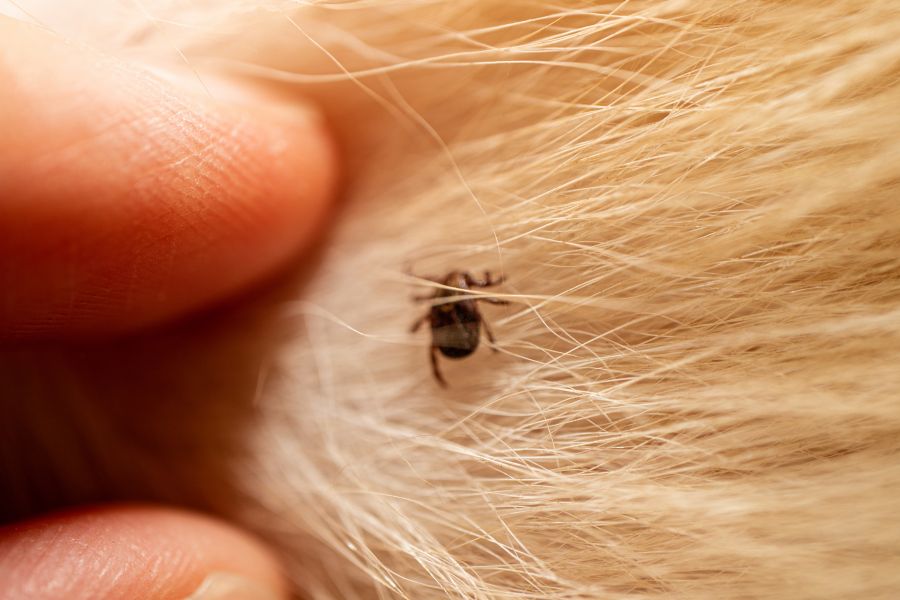
Fleas are small, but the problems they cause can grow quickly. A single flea can turn into an infestation in just a few weeks. If your dog is scratching more than usual or seems uncomfortable, it’s worth taking a closer look. Early action protects your pet’s health and prevents a bigger issue in your home.
This guide breaks down the clear signs of fleas, explains what to do if your dog has fleas, and walks you through simple, effective next steps.
Why Fleas Are More Than Just a Nuisance
Fleas don’t just cause itching. They feed on your dog’s blood and can lead to several health concerns, including:
- Skin irritation and infections
- Hair loss
- Allergic reactions (flea allergy dermatitis)
- Tapeworms
- Anemia in severe cases, especially in puppies
Because fleas multiply quickly, catching the problem early is the best way to protect your dog and your home.
Common Signs Your Dog Has Fleas
1. Constant Scratching and Biting
Frequent scratching is often the first sign pet owners notice. Dogs with fleas may also bite or chew at their skin, especially around the base of the tail, belly, and inner thighs.
2. Red or Irritated Skin
Flea bites can cause redness and inflammation. In some dogs, even a few bites can trigger an allergic reaction, making the skin look more irritated than expected.
3. Hair Loss or Bald Spots
When scratching becomes constant, it can damage the coat. You may notice thinning fur or small bald patches, especially in areas your dog can easily reach.
4. Flea Dirt on the Skin
Flea dirt looks like tiny black specks, similar to ground pepper. It’s actually flea waste made of digested blood. You’ll often find it along your dog’s back or near the tail.
Quick test: Place the specks on a damp paper towel. If they turn reddish-brown, it’s likely flea dirt.
5. Visible Fleas
Adult fleas are small, dark brown, and fast-moving. You might spot them when parting your dog’s fur, especially in warm areas like the neck or belly.
6. Restlessness or Behavioral Changes
Dogs with fleas may seem uneasy. They may have trouble resting, constantly shifting positions, or reacting suddenly as fleas bite.
How Dogs Get Fleas
Fleas are everywhere—parks, yards, other animals, and even inside homes. Your dog can pick them up from:
- Walking through grass or wooded areas
- Contact with other pets
- Visiting grooming or boarding facilities
- Fleas are brought indoors on shoes or clothing
Even clean homes and well-cared-for dogs are not immune.
What to Do If Your Dog Has Fleas
If you’ve noticed signs, act quickly. Here’s a clear plan for what to do if your dog has fleas:
Step 1: Confirm the Presence of Fleas
Use a fine-tooth flea comb and check your dog’s coat, especially near the tail and neck. Look for live fleas or flea dirt.
Step 2: Start Immediate Treatment
Choose a flea treatment designed for dogs. Options include:
- Topical treatments (applied to the skin)
- Oral medications
- Flea shampoos for quick relief
Some products work within hours, while others provide long-term prevention. Always follow the instructions carefully and use products meant for dogs only.
Step 3: Bathe Your Dog
A gentle bath can help remove fleas and soothe irritated skin. Use a flea shampoo if recommended by your veterinarian. Avoid over-bathing, as it can dry out the skin.
Step 4: Clean Your Home Thoroughly
Fleas don’t live only on your dog. Eggs, larvae, and pupae can be in carpets, bedding, and furniture.
Focus on:
- Vacuuming carpets, rugs, and upholstery daily for several days
- Washing your dog’s bedding in hot water
- Cleaning areas where your dog rests frequently
Dispose of vacuum bags promptly to prevent fleas from escaping.
Step 5: Treat Your Environment
For moderate to severe infestations, you may need:
- Home flea sprays or foggers
- Yard treatments to reduce outdoor fleas
Choose pet-safe products and follow all safety instructions.
Step 6: Prevent Future Infestations
Once the current issue is under control, prevention is key. Monthly flea preventatives can protect your dog year-round.
Understanding the Flea Life Cycle
Fleas go through four stages: egg, larva, pupa, and adult. Most fleas in your home are not adults—they are in earlier stages, hidden in carpets and cracks.
This is why a single treatment is not enough. Breaking the cycle requires consistent cleaning and follow-up treatments over time.
When to Contact a Veterinarian
Some flea problems need professional care. Reach out to your veterinarian if:
- Your dog has severe skin irritation or open sores
- You notice signs of infection
- Your dog seems weak or lethargic
- Home treatments are not working
A veterinarian can recommend stronger treatments and ensure your dog stays safe.
Natural Remedies: Do They Work?
Some pet owners explore natural options like apple cider vinegar sprays or essential oils. While these may help in mild cases, they rarely eliminate a full infestation.
Be cautious with home remedies. Some essential oils can be harmful to dogs. Always check with a professional before trying new treatments.
Long-Term Flea Prevention Tips
Keeping fleas away is easier than dealing with an infestation. Here are simple habits that make a difference:
- Use monthly flea prevention products
- Keep your yard trimmed and clean
- Wash pet bedding regularly
- Check your dog after outdoor activities
- Schedule regular veterinary checkups
Consistency matters. Prevention reduces stress for both you and your pet.
A Practical Approach to Flea Control
There’s no single solution that works overnight. The most effective approach combines:
- Treating your dog
- Cleaning your home
- Preventing future exposure
If you’re unsure where to start or want tailored care options, you can visit our website to explore reliable parasite prevention resources and guidance.
Conclusion: Take Action Early for Better Results
Fleas are common, but they don’t have to become a long-term problem. Recognizing the early signs—scratching, irritation, and flea dirt—gives you a head start. Acting quickly with the right treatment and cleaning routine protects your dog and your home.
If you’re wondering what to do if your dog has fleas, the answer is simple: confirm, treat, clean, and prevent. Each step matters, and skipping one can allow fleas to return.
Stay consistent, monitor your dog’s comfort, and don’t hesitate to seek professional advice when needed. Your dog depends on you for relief, and with the right approach, you can restore their comfort quickly.
Frequently Asked Questions
1. Should I clean my house if my dog has fleas?
A: Yes, cleaning your home is essential. Fleas live in carpets, bedding, and furniture. Vacuuming and washing fabrics help remove eggs and larvae.
2. What works fastest to kill fleas on dogs?
A: Fast-acting oral medications and flea shampoos can start killing fleas within hours. Your veterinarian can guide you to the safest and most effective option.
3. What are the first steps to take when fleas appear?
A: Start by confirming fleas, then treat your dog with a vet-approved product, bathe them if needed, and clean your home thoroughly.
4. Do I need to wash bedding if fleas are present?
A: Yes, washing all pet bedding and even your own bedding in hot water helps remove fleas and their eggs.
5. How can I eliminate fleas from my home?
A: A combination of pet treatment, daily vacuuming, washing fabrics, and environmental products can help break the flea life cycle.
6. Is it safe to cuddle my dog if they have fleas?
A: You can still be close to your dog, but fleas may transfer to you or your environment. It’s best to begin treatment right away to reduce the risk.
Book Pet Appointment