

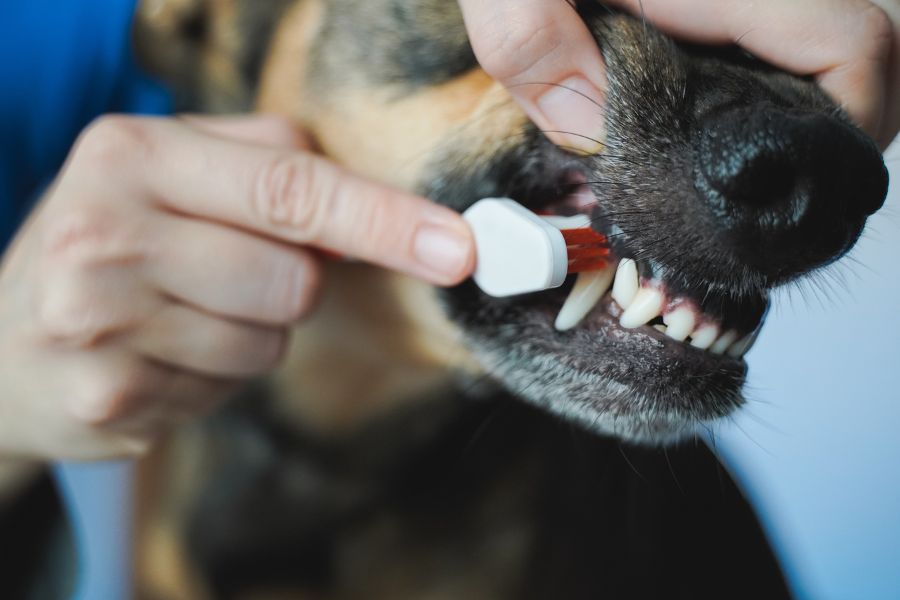
Most pet owners know they should brush their dog’s or cat’s teeth — but far fewer understand what happens when a professional steps in to do a deep clean. A veterinary dental cleaning is not just about fresher breath or whiter teeth. It is a medically significant procedure tied directly to your pet’s heart, kidneys, liver, and quality of life.
This article walks through every stage of the process, explains why anesthesia is involved, reveals the hidden health risks of untreated dental disease, and answers the questions pet owners ask most often. By the end, you will know exactly what to expect, when to act, and why routine pet dental care is one of the smartest investments you can make for your companion.
Why Pet Dental Health Is About More Than a Pretty Smile
Dental disease is one of the most common health conditions diagnosed in dogs and cats. By the time a pet reaches three years of age, the majority already show early signs of periodontal problems. Left untreated, bacteria that accumulate along and beneath the gum line do not simply stay in the mouth — they enter the bloodstream and can damage the heart valves, kidneys, and liver over time.
Periodontal disease progresses in stages, from mild inflammation of the gums all the way to bone loss, tooth loosening, and chronic pain. Pets rarely show obvious signs of dental discomfort, so the disease quietly advances while owners assume everything is fine. This is precisely why periodic professional cleanings matter so much — they address what no toothbrush can reach.
What Happens Before the Cleaning Begins
When you bring your pet in for a dental procedure, the process begins before any scaling tool is used.
1. Pre-Anesthetic Evaluation
A thorough physical examination is performed, and blood work is typically recommended, especially for older pets. This pre-anesthetic screening checks organ function to confirm your pet can safely metabolize anesthesia. Results help the care team tailor the safest anesthetic protocol for that individual animal.
2. Why Anesthesia Is Necessary
This is one of the most common concerns pet owners raise — and it deserves a direct answer. Unlike a human dental cleaning, a pet cannot be coached to hold still, open wide, or signal discomfort.
Anesthesia allows the dental team to safely examine below the gum line, take full-mouth dental X-rays, remove tartar from every tooth surface, including the roots, and treat painful areas without causing additional stress or injury. It is not a shortcut — it is the medically correct approach.
The Cleaning Itself: A Step-by-Step Overview
Once your pet is safely under anesthesia and being continuously monitored, the dental cleaning proceeds through several distinct phases.
1. Full-Mouth Dental Radiographs
Dental X-rays are among the most valuable diagnostic tools in pet dental care. Studies consistently show that a large percentage of dental disease exists below the gum line, completely invisible during a visual inspection. X-rays reveal bone loss, tooth root abscesses, retained roots, and other conditions that would otherwise go undetected and untreated.
2. Scaling and Subgingival Cleaning
Ultrasonic scaling removes calcified tartar from the surfaces of each tooth. This is followed by careful hand scaling beneath the gum line — the subgingival space where bacteria do the most damage. This step is what separates a professional cleaning from anything achievable at home.
3. Probing and Charting
Each tooth is probed and measured around the gum line. Abnormal pocket depths indicate attachment loss, which guides treatment decisions. This detailed charting creates a dental record that can be compared at future visits to track disease progression or confirm healthy stability.
4. Polishing
After scaling, the tooth surfaces are polished to smooth away microscopic scratches left by instruments. Smooth enamel resists plaque reattachment more effectively than a rough surface, which helps extend the benefit of the cleaning between visits.
5. Extractions if Necessary
If any teeth are determined to be non-salvageable due to advanced disease, fracture, or root compromise, extractions may be performed during the same procedure. Removing diseased teeth eliminates chronic pain and prevents ongoing bacterial seeding into the bloodstream. Most pets recover remarkably well after extractions and return to eating normally within a short time.
After the Procedure: What to Expect at Home
Your pet will be monitored during recovery from anesthesia before being discharged. You will receive specific aftercare instructions, which may include a soft diet for a few days, oral rinses, or a home-care routine. The veterinarian or a member of the care team will walk you through everything before you leave.
Home dental care — brushing with pet-safe toothpaste, dental chews, or water additives — helps slow the return of plaque between professional cleanings. Consistency at home directly influences how frequently professional cleanings are needed.
How Often Should Pets Have a Dental Cleaning?
Frequency depends on the individual pet. Breed, age, diet, jaw structure, and home care habits all affect how quickly plaque accumulates. Small and toy breeds tend to develop dental disease faster than larger breeds. A veterinarian near you can evaluate your pet’s mouth during a routine wellness exam and give a recommendation tailored to their specific needs.
Most healthy adult pets benefit from at least one professional cleaning per year. Pets with existing periodontal disease or predisposing factors may need more frequent attention.
Conclusion
A professional pet dental cleaning is a complete oral health assessment and treatment — one that addresses disease you cannot see, prevents conditions that affect the whole body, and dramatically improves quality of life. Scheduling regular cleanings is one of the most meaningful things you can do for a pet who cannot tell you when something hurts.
If you are in Montgomery and looking for trusted, thorough dental care for your pet, consider reaching out to Orchard Road Animal Hospital. Their team brings genuine compassion and clinical expertise together for every patient — because great pet care is about the whole animal, not just a single appointment.
6 Frequently Asked Questions(FAQs):
Q: Is anesthesia-free dental cleaning a safe alternative?
A: No. Without anesthesia, subgingival scaling, dental X-rays, and pain-free treatment are not possible. Anesthesia-free cleaning is considered cosmetic and does not address disease below the gum line.
Q: How do I know if my pet has dental disease?
A: Bad breath is the most common indicator. Other signs include reluctance to chew, dropping food, pawing at the mouth, or visible tartar buildup. Many pets show no obvious signs at all, which is why annual exams matter.
Q: What breeds are most at risk for dental disease?
A: Small breeds such as Chihuahuas, Dachshunds, Pomeranians, and Yorkshire Terriers are especially prone, as are brachycephalic breeds like Pugs and Bulldogs. Cats of any breed can develop serious dental conditions, including tooth resorption.
Q: Can dental disease really affect my pet’s heart?
A: Yes. Oral bacteria can enter the bloodstream and adhere to heart valves, contributing to endocarditis and other cardiac complications over time. This is a well-documented connection in both human and animal medicine.
Q: How long does a veterinary dental cleaning take?
A: Most cleanings take between one and two hours, though this varies depending on the extent of disease and whether extractions or other treatments are needed.
Q: Is it safe for older pets to undergo anesthesia?
A: Age alone is not a disqualifying factor. Pre-anesthetic blood work and physical evaluation help identify any concerns, and modern anesthetic protocols are carefully tailored for senior pets. A veterinarian near you can assess whether your older pet is a good candidate.
Book Pet Appointment